Light
Energizer PRO-260 LED Headlamp
Hands-free light for cooking, resetting a breaker or walking the dog after dark.
See it on Amazon
Base 01 · Power
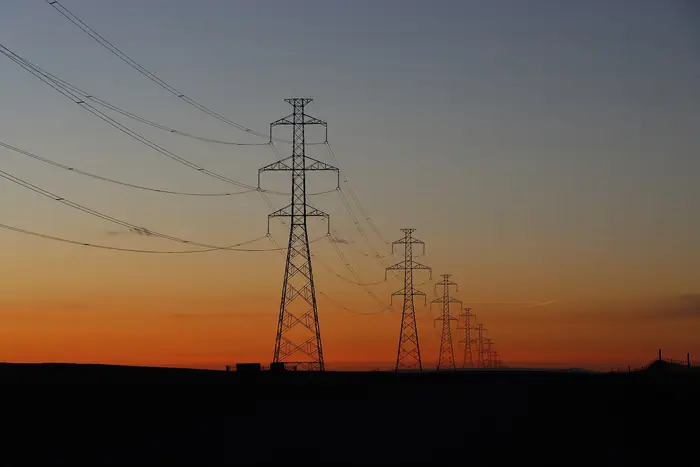
Power is the base the others lean on. Here is how to keep the lights, phones and fridge in play when the grid takes a break, without overbuying.
Start by making a list. Ready.gov suggests taking an inventory of everything in your home that runs on electricity, then planning batteries and other backup sources for the items you truly need. That short list decides how much power you need.
Two figures do most of the work. Watts tell you how hard a device pulls at any moment. Watt-hours (Wh) tell you how much energy a battery holds. A device label or its charger usually lists the watts.
The 0.85 is a rough allowance for conversion losses, and real results vary by model and load. Example: a 245 Wh power station running a 10-watt LED lamp works out to about 20 hours.
Our wattage calculator does this math for a whole list at once, including generator sizing, or you can run it by hand for each item. Phones and lights barely dent a battery. Anything that makes heat, like a space heater, kettle or hair dryer, drains one fast and is better left for when the grid is back.
If anyone in your home relies on a powered medical device or refrigerated medicine, put that at the top of the list. Ready.gov advises talking with your medical provider about an outage plan, including how long medicine can be stored at higher temperatures. Ask the device maker how many watts it draws, then size your battery with room to spare. It also helps to tell your electric utility that someone at home depends on powered medical equipment, and to ask whether it keeps a list of those customers.
05 / Picks
Some links on this page are affiliate links. As an Amazon Associate, SevenBases earns from qualifying purchases, at no extra cost to you. This doesn't change what we recommend.
Light
Hands-free light for cooking, resetting a breaker or walking the dog after dark.
See it on AmazonLight
A palm-sized lantern and flashlight in one.
See it on AmazonCommunication
A pocket battery for the phone you use for alerts and family calls.
See it on AmazonPower
A quiet battery you can keep indoors, sized for lights, a router, a fan or a laptop.
See it on AmazonHeat and cooling
A carbon monoxide alarm with a sealed 10-year battery, so it keeps working while the grid is down.
See it on AmazonOne pick per job keeps the list short. See every pick, with what each does and does not do, on the gear page.
Sources: Ready.gov, Power Outages (inventory, flashlights, medical needs, food storage and generator safety); CDC, Carbon Monoxide Poisoning Basics; CPSC, Carbon Monoxide Information Center (generators at least 20 feet from the home). Product details are from each Amazon listing as of November 14, 2026, and the First Alert CO710 product page.
08 / THE BASE CREW
Get the seven-base checklist now, plus three short emails over a week.